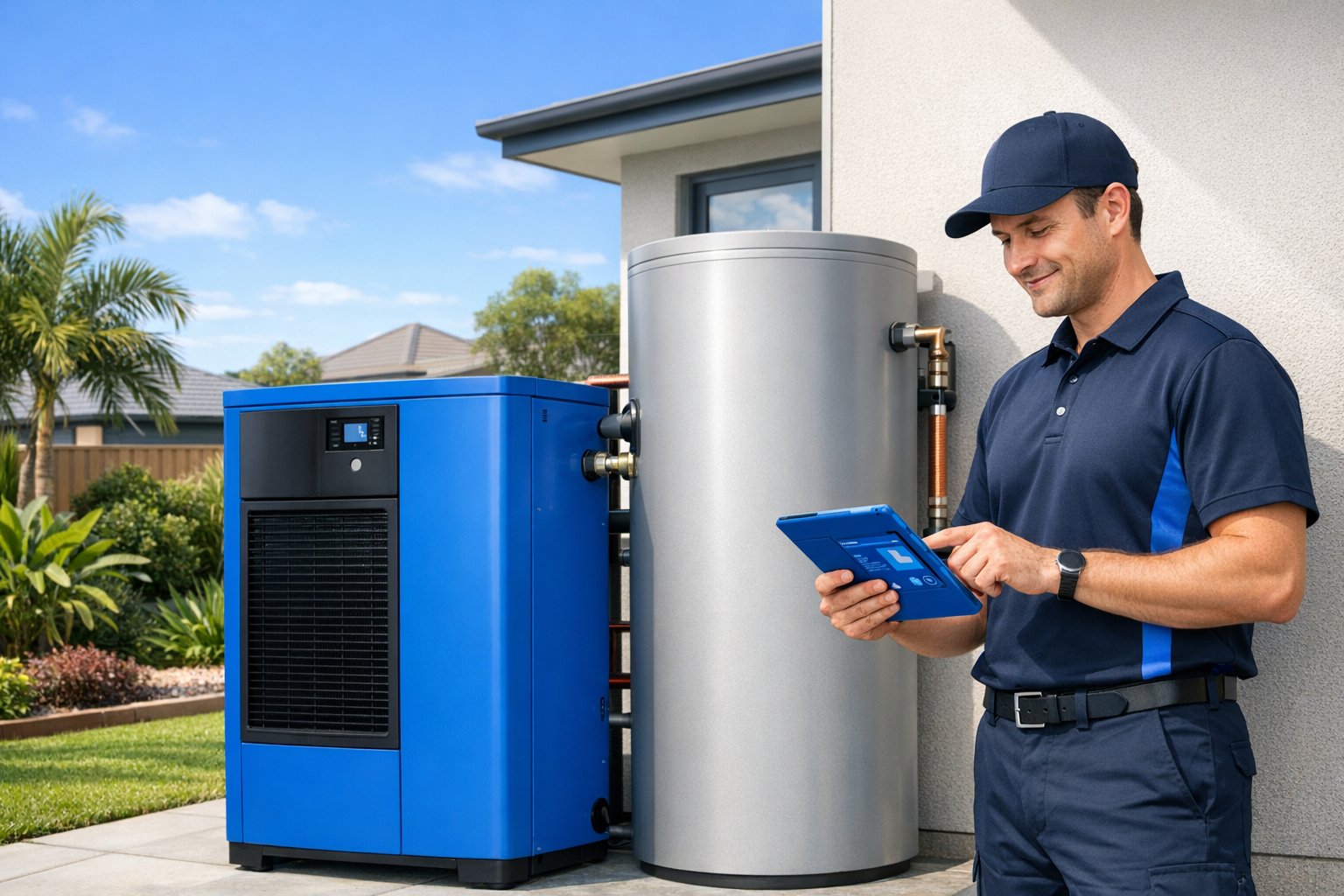
Brisbane homeowners have steadily shifted toward heat pump technology for water heating, drawn by energy savings that traditional electric and gas systems simply can’t match in Queensland’s climate. A well-sized heat pump hot water brisbane installation can generate two to four units of heat for every unit of electricity consumed, making the running cost difference significant over the life of the system. Here’s why these systems have become the dominant choice for Brisbane households in 2026 and what residents need to know before making the switch.
Key Takeaways
- Heat pump hot water systems use ambient air to heat water efficiently, making them well-suited for Brisbane’s subtropical climate.
- These systems reduce greenhouse gas emissions significantly, supporting Brisbane’s environmental sustainability goals.
- Homeowners in Brisbane can save hundreds to thousands of dollars on energy bills thanks to the high efficiency of heat pump hot water systems.
- Proper outdoor installation with good airflow and correctly sized tanks is essential to maximise system performance in Brisbane homes.
- Federal incentives like Small-scale Technology Certificates help offset installation costs, making heat pump systems more affordable for Brisbane residents.
- Regular maintenance ensures longevity and reliable operation, with local professionals like The Brisbane Plumbers recommended for service and installation.
Understanding Heat Pump Hot Water Systems: How They Work
Heat pump hot water systems operate by transferring heat from the surrounding air to heat water, rather than generating heat directly. This is achieved through a refrigerant cycle powered primarily by an electric compressor, which efficiently moves heat into the water tank. For every unit of electricity consumed, the system can generate between two to four units of heat (known as the coefficient of performance, COP, ranging from 2 to 4+). This makes heat pumps far more efficient than traditional electric resistance heaters or gas-powered systems. In Brisbane’s generally warm climate, these systems maintain excellent efficiency year-round, making them a smart fit for local homes.
Environmental Benefits Driving the Shift in Brisbane
Brisbane residents increasingly choose heat pump systems due to their lower environmental impact compared to conventional water heaters. By using the warmth from ambient air rather than burning gas or relying heavily on electricity, heat pumps drastically reduce greenhouse gas emissions. The subtropical climate, with its moderate to high temperatures throughout the year, helps the units run at optimum efficiency, cutting electricity consumption and associated carbon footprints. This shift supports Brisbane’s efforts to meet emissions-reduction goals while promoting sustainable living for both residential and commercial properties.
Cost Savings and Energy Efficiency Compared to Traditional Systems
One of the most compelling reasons Brisbane homeowners adopt heat pump hot water systems is their significant cost savings on energy bills. Due to their high efficiency, heat pumps consume substantially less electricity than electric resistance or gas heaters. Australian household studies demonstrate that, over the life of a heat pump system, families can save hundreds to thousands of dollars in energy costs. This efficiency not only benefits the wallet but also reduces peak power demand on the grid, offering an energy-wise alternative that aligns well with Brisbane’s energy pricing and climate patterns.
Installation Considerations for Brisbane Homeowners
Proper installation is critical to maximise the benefits of heat pump hot water systems. In Brisbane, these units perform best when situated outdoors in locations with steady airflow, which enhances heat extraction from the air. Homeowners typically select tanks sized between 270 to 350 litres, appropriate for typical family needs, to ensure an uninterrupted hot water supply. Also, insulated piping and effective condensate drainage are essential to maintain energy efficiency and system longevity. For residents uncertain about installation specifics, expert plumbers like The Brisbane Plumbers provide professional guidance to ensure optimal setup and compliance with local standards.
Government Incentives and Rebates Supporting Adoption
To encourage uptake of energy-efficient technologies, the Australian Government offers Small-scale Technology Certificates (STCs) that reduce the upfront cost of installing eligible heat pump systems. While Queensland, including Brisbane, currently lacks state-specific rebates for heat pump hot water systems, these federal incentives can significantly offset initial expenses. Homeowners considering installation are advised to consult with trusted providers such as The Brisbane Plumbers to assess eligibility and claim available discounts, making greener water heating solutions more accessible and affordable for Brisbane households.
Addressing Common Concerns and Myths About Heat Pump Systems
Some Brisbane residents hold reservations about heat pump hot water systems, but many common concerns stem from outdated information. Modern units are designed for quiet operation, with premium brands being virtually inaudible during daily use. Concerns about insufficient hot water supply are often related to incorrect sizing or installation: when properly configured and operated, heat pumps reliably meet the needs of typical families. Also, fears about system durability or maintenance requirements are largely mitigated by advancements in technology, making heat pumps dependable and user-friendly alternatives to traditional systems.
Maintenance and Longevity: What Brisbane Residents Need to Know
Maintaining a heat pump hot water system in Brisbane involves routine inspections, including checking the anode rod, valves, insulation, and condensate drainage to prevent issues and sustain efficiency. These systems generally have service lives comparable to or exceeding traditional electric or gas water heaters when properly cared for. The Brisbane Plumbers recommend scheduling regular maintenance with experienced professionals to extend system longevity and avoid costly repairs. With attention to maintenance, heat pump owners in Brisbane can enjoy reliable, energy-efficient hot water for many years.
About The Brisbane Plumbers
Business: The Brisbane Plumbers
Spokesperson: Joseph
Position: Director
Phone: 1300 847 094
Email: [email protected]
Location: 2/187 Murphy Road Geebung, QLD 4034
Website: https://thebrisbaneplumbers.com.au/
Frequently Asked Questions about Heat Pump Hot Water Systems in Brisbane
What makes heat pump hot water systems suitable for Brisbane homes?
Heat pump hot water systems are ideal for Brisbane’s subtropical climate as they efficiently use ambient air temperatures year-round, leading to lower energy use and costs while supporting environmental goals.
How do heat pump hot water systems work to save energy?
They transfer heat from the surrounding air to heat water using an electric compressor, producing 2 to 4 times more heat energy than the electricity they consume, making them much more efficient than traditional heaters.
Are there any government incentives available for installing heat pump hot water systems in Brisbane?
Homeowners can benefit from the Australian Government’s Small-scale Technology Certificates (STCs), which help reduce upfront costs, although Queensland currently does not offer additional state-level rebates for these systems.
What installation considerations should Brisbane homeowners keep in mind for heat pump water heaters?
Units should be installed outdoors with good airflow to maximise efficiency. Correct tank sizing, usually 270 to 350 litres for families, plus proper pipe insulation and condensate drainage, is essential for optimal performance and durability.
Do heat pump hot water systems provide enough hot water for a typical family in Brisbane?
Yes, when properly sized and installed, heat pump systems reliably supply sufficient hot water, meeting typical family demands while operating quietly and efficiently.
How long do heat pump hot water systems last and what maintenance do they require?
With regular maintenance such as checking the anode rod, valves, insulation, and condensate drainage, these systems can last as long as or longer than traditional electric or gas water heaters, providing reliable service for many years.